How do you find out what is in a footing before cutting
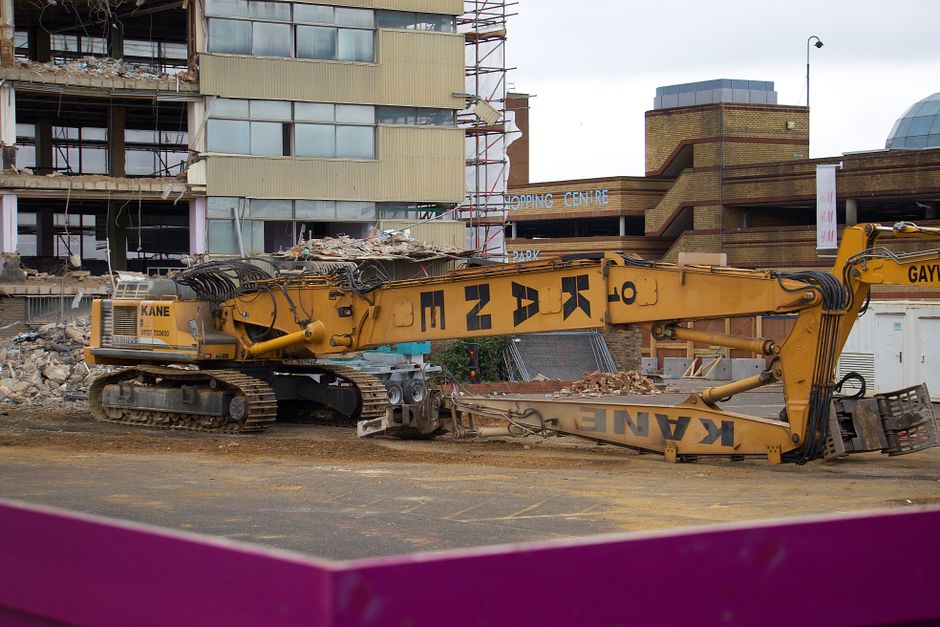
Walk the perimeter of the footing before anything is cut and look for every bolt, pipe and sleeve that touches it, because the breakdown sitting on redding demolition evrnyc lists them in order, and the order matters. Demolition of a foundation stem wall or footing in Redding, CA starts with finding what is hidden in it.
What shows on the surface
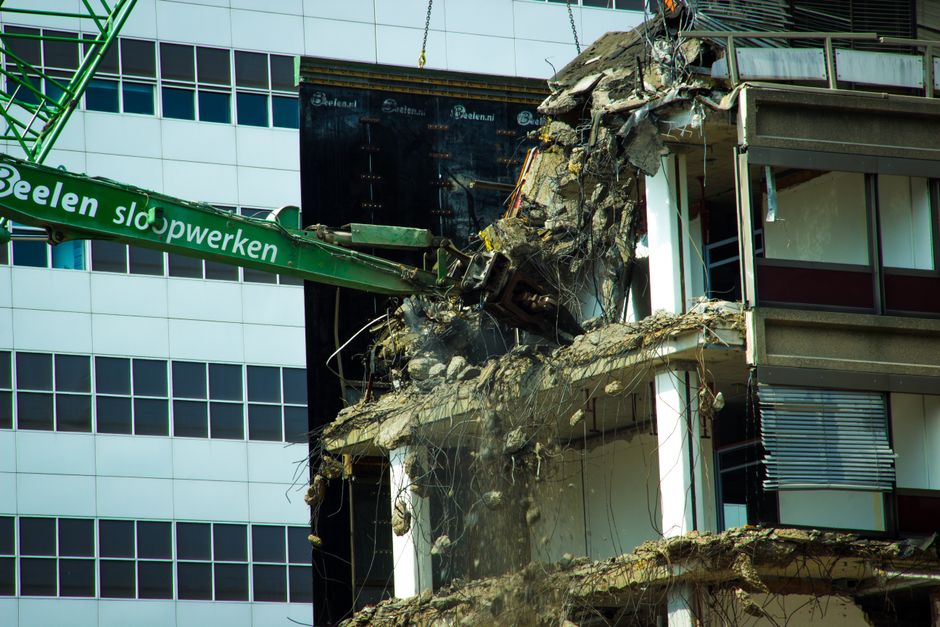
Anchor bolts stick out of the top of a stem wall every few feet. Sill plates, hold-down straps and vent openings tell the age of the build. A crawlspace in Anderson or near Simpson University may show a footing from the 1950s with little or no steel, while a newer house in Shasta Lake carries continuous rebar.
Finding steel without opening it
A rebar locator, a handheld magnetic scanner, reads bars within a few inches of the surface. Ground penetrating radar shows more, including conduit and voids. When neither is on site, a small test hole with a hammer drill and a masonry bit shows whether there is steel at all and how large it is.
Buried lines
Water, gas and sewer lines like to run beside or through a footing. A sleeve cast through the wall is a clear sign. Utility locating is done before a mini excavator digs along the footing, and a gas line is treated as live until proven otherwise. Cutting through a load bearing wall footing without marking the pipes is how repairs multiply.
Which tool for which footing
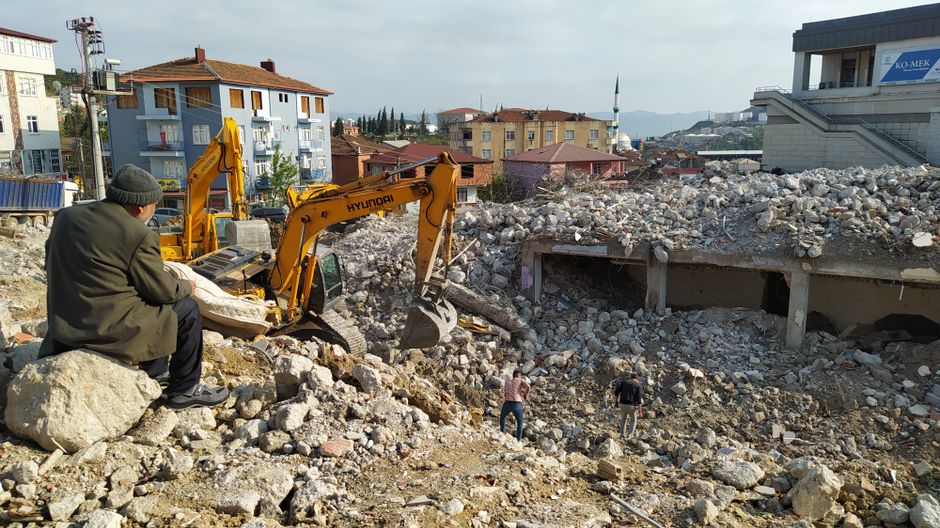
An unreinforced footing comes apart with a jackhammer. A footing with rebar needs a saw cut at the ends, a breaker on the sides and a reciprocating saw or torch for the bars. A heavy excavator with a hydraulic hammer handles deep or wide footing, but only where nothing it shakes loose can fall onto a neighbouring foundation.
Plans, if any exist, help but cannot be trusted alone. Footings in older Redding neighbourhoods were often changed by later owners, with a new garage slab tied in or a chimney base added. A drawn footing and a poured one rarely match, so the exposed concrete is what gets believed, and the ends are opened with a jackhammer before the main cut begins.
Supporting what stays
If a stud wall or a load bearing wall still sits on part of the footing, shoring goes in first. The cut line is chosen so the remaining foundation is not undermined, and the break stops short of the line with a saw finishing the last stretch.