What happens to broken concrete after it leaves a Redding lot
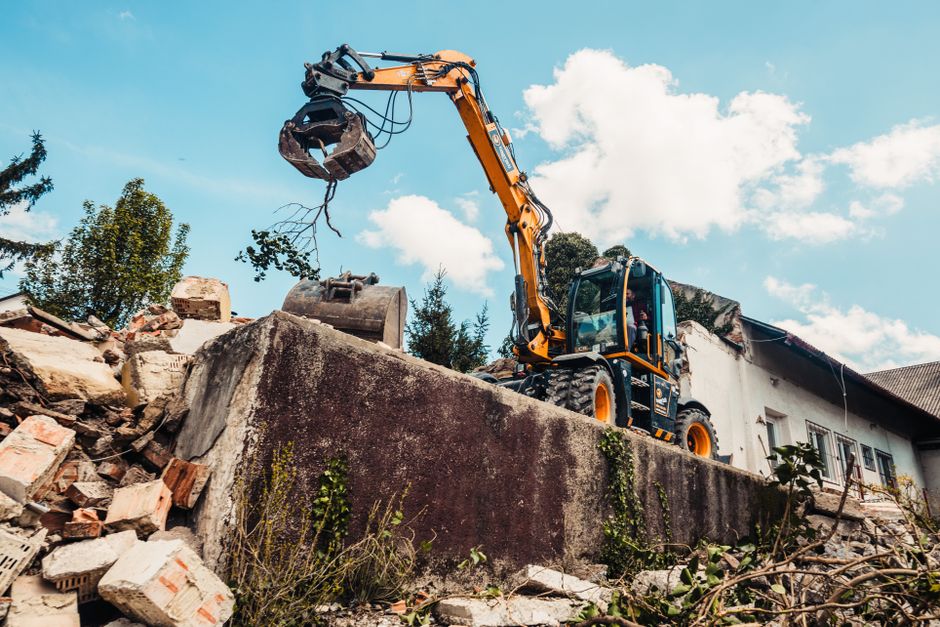
Two piles of broken concrete that look the same on a Redding, CA lot can differ by a full truckload in weight, and the weights quoted at redding demolition evrnyc run heavier than they look. What happens after demolition is a sequence of sorting, weighing and recycling.
Loading and weight
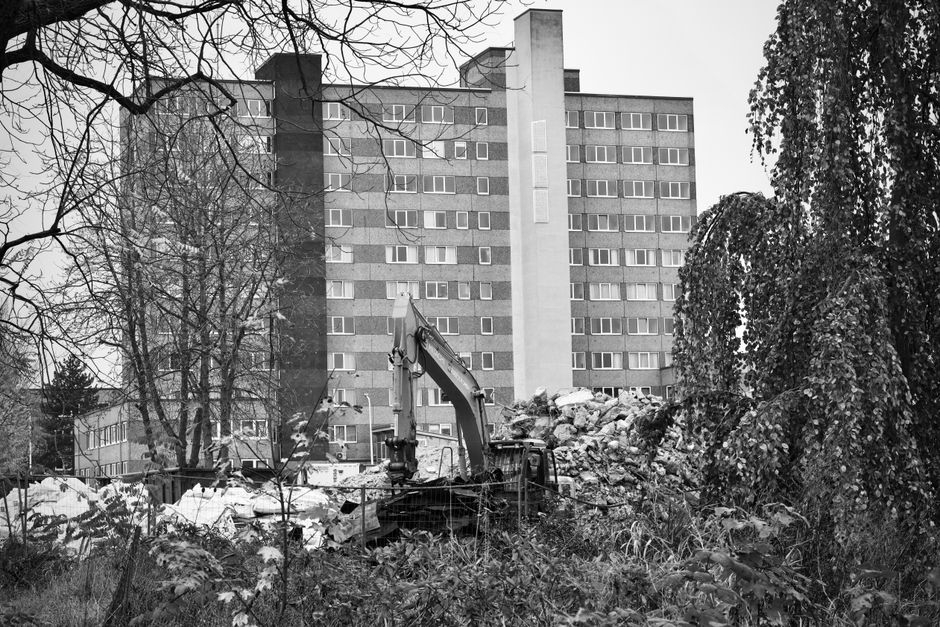
A skid steer with a bucket or grapple loads the pieces, and a mini excavator reaches pieces the skid steer cannot. Trucks are loaded by weight, not by height, because broken concrete reaches a legal axle limit with the box half full. Chunks go in large pieces first and smaller ones fill the gaps.
Pulling the rebar
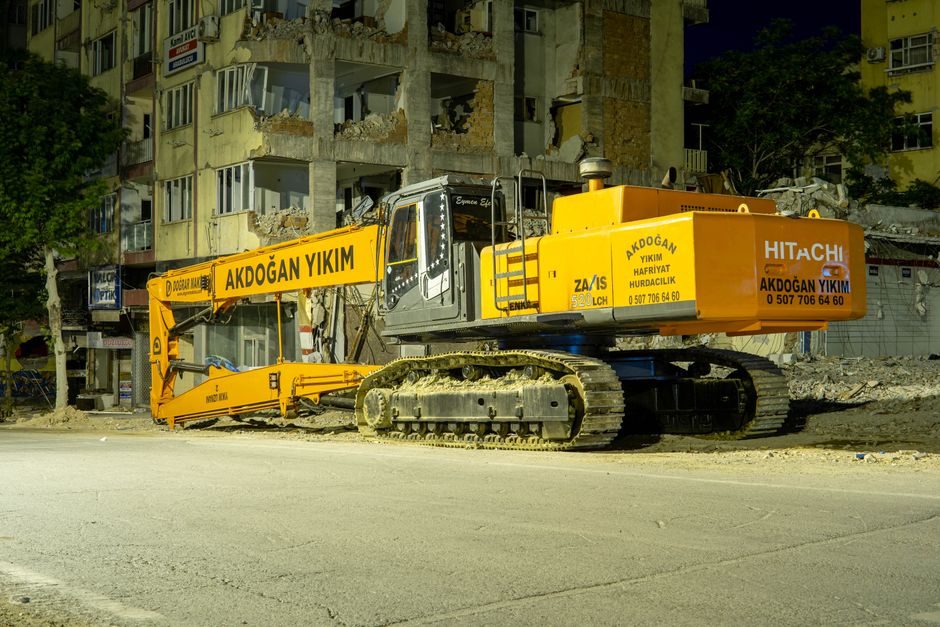
Rebar and wire mesh are cut out as the slab is broken, since a breaker tip gets wrapped by bars, and steel mixed into a load changes what the yard will accept. A reciprocating saw trims long bars, and the steel goes to a scrap bin of its own.
Where it goes
Clean concrete without steel, soil or wood is crushed at a recycling yard in Shasta County and sold as base rock. Dirty loads, mixed with drywall, plaster, lath or asphalt, are a separate category and are weighed on a different basis. Sorting on site is the reason a load is accepted clean.
Keeping some of it
Pieces of a broken slab can stay on site. Crushed or stacked concrete makes fill for a low spot, a drainage trench or retaining wall backing near Turtle Bay and Keswick. Large pieces are broken small enough that there are no voids, and they sit well below finished grade.
Weight is also why a pile is never judged by eye. A cubic yard of broken slab weighs well over a ton, and a standard dump truck is full by weight long before it is full by volume. Planning the number of trips from the slab thickness and area is more accurate than counting piles, and it keeps a driveway job from stretching into a second day of waiting for trucks.
Backfilling the hole
The empty space from a footing, pool deck or slab is filled in layers about six inches deep, with each layer compacted by a plate compactor or the bucket of an excavator. Clay needs moisture control, because dry clay will not pack and wet clay will not hold. The finished grade slopes away from the foundation so rain does not pool against it.