How thick is a Redding driveway slab and what does it change
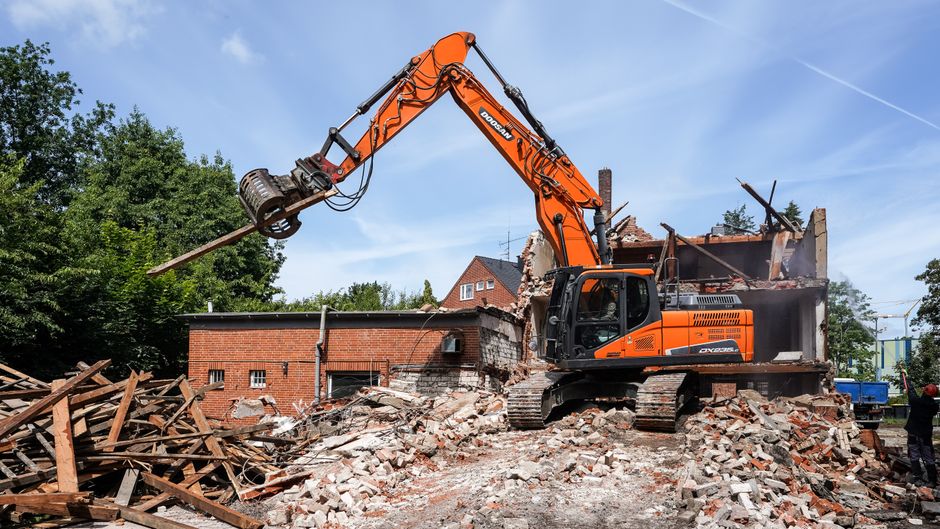
Four inches of concrete across a twenty by twelve foot driveway is nearly three cubic yards, and that puts roughly six tons on the truck before any base rock comes along. Thickness is the first number measured on a driveway removal in Redding, CA, as the notes at redding demolition evrnyc describe, because every later decision follows from it: which breaker, how many loads, how long the demolition takes.
Where the thickness is read
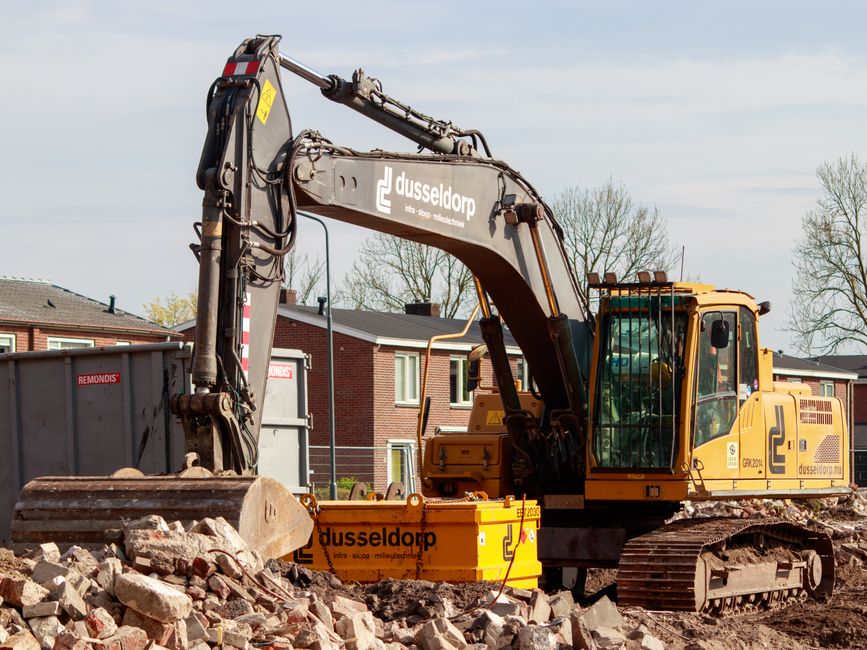
The cleanest place is the edge where the driveway meets the gutter or the garage apron, or any spot where a slab has already broken away. A core drill gives a true reading, but a masonry bit and a tape measure down a drilled hole is enough. Older concrete slab work around Anderson and Shasta Lake often runs four inches. Driveways poured for trucks or RVs run five or six, and the edges are usually thickened into a small footing.
Mesh, rebar or nothing
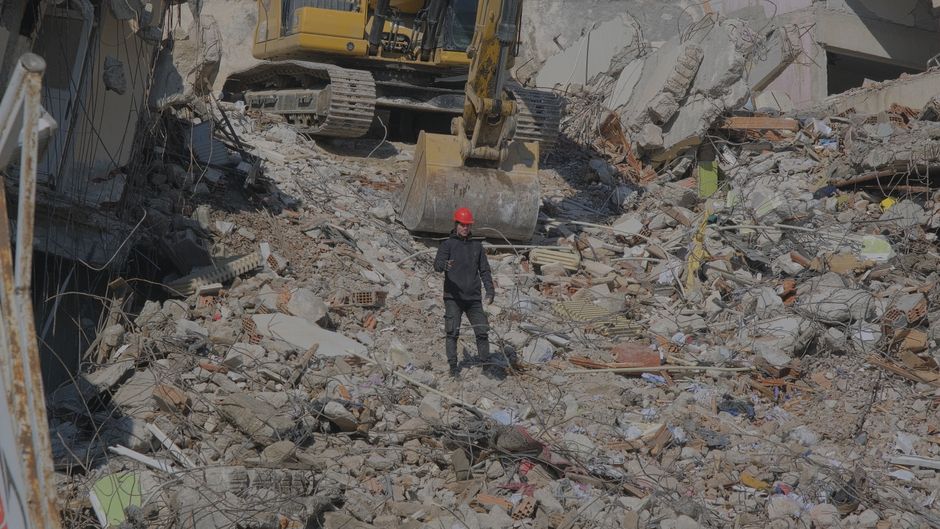
Wire mesh floats up through the pour as often as it stays where it was meant to sit, so it shows up anywhere from the bottom to the middle of the slab. Rebar on eighteen inch centers means a tougher break, because the slab hinges instead of shattering. Fibre mixed into the concrete leaves nothing visible at all. A slab with no steel can be broken with a jackhammer and a bar in an afternoon. A slab with a rebar grid wants a larger breaker.
Matching the tool to the slab
A demo hammer on a mini excavator handles most residential driveways in Shasta County without trouble, and a skid steer with a breaker attachment covers the larger lots. A handheld jackhammer is for tight spots against a footing, a foundation wall or a garage door track where a machine cannot sit. Rebar gets cut with a reciprocating saw or a torch as it is exposed, since it wraps around a breaker tip and stalls the machine.
What thickness does to the haul
A pickup bed carries far less broken concrete than it appears to. Concrete weighs about a hundred and fifty pounds per cubic foot, so a six inch slab on a wide driveway runs well past ten tons. Disposal facilities weigh every load, which makes thickness a hauling number as much as a breaking number.
Edges, tree roots and the clay beneath
Redding clay packs hard under a slab, and tree roots from oaks near State Route 44 neighbourhoods often lift one corner. The thickened edge is where a breaker works hardest, so it is broken last, after the field of the slab has been taken out and the pieces stacked clear.